Opening Hours Mon – Fri: 8:00 AM – 4:00 PM
Catch Equipment Issues Before Costly Breakdowns
Commercial refrigeration and HVAC systems fail in predictable patterns. A compressor losing efficiency runs longer cycles to maintain the same box temperature. A dirty condenser coil forces the motor to draw additional current. A failing fan reduces airflow across the evaporator. None of these changes appear on the temperature display. The cooler reads thirty-eight degrees right up until the morning it reads fifty-two, your produce delivery is already scheduled, and every technician in Pleasant Hope is booked through the weekend.
Predictive maintenance closes that gap. During scheduled visits, we measure run time, current draw, temperature split across coils, and operating pressures. One reading means little. The same readings logged every visit and compared over weeks show exactly what is changing and how quickly. When a compressor that ran fourteen minutes per hour in March now runs nineteen minutes in June, that drift tells you the system is working harder to do the same job. We catch that trend while it is still a refrigerant top-up or coil cleaning, not a compressor replacement.
The cost difference is substantial. A planned repair happens during regular hours, with the correct part ordered in advance, completed before you open. The same repair as an emergency means after-hours labor, expedited parts at premium pricing, and equipment already down while you wait. But the repair invoice is often the smaller number. The real cost is inventory spoilage, lost service hours, and revenue you cannot recover. Scheduled monitoring moves most failures into the planned column, where they cost less and happen on your schedule. In Pleasant Hope, where summer heat puts continuous strain on cooling systems, that predictive approach often prevents the busiest weeks from becoming your most expensive ones.
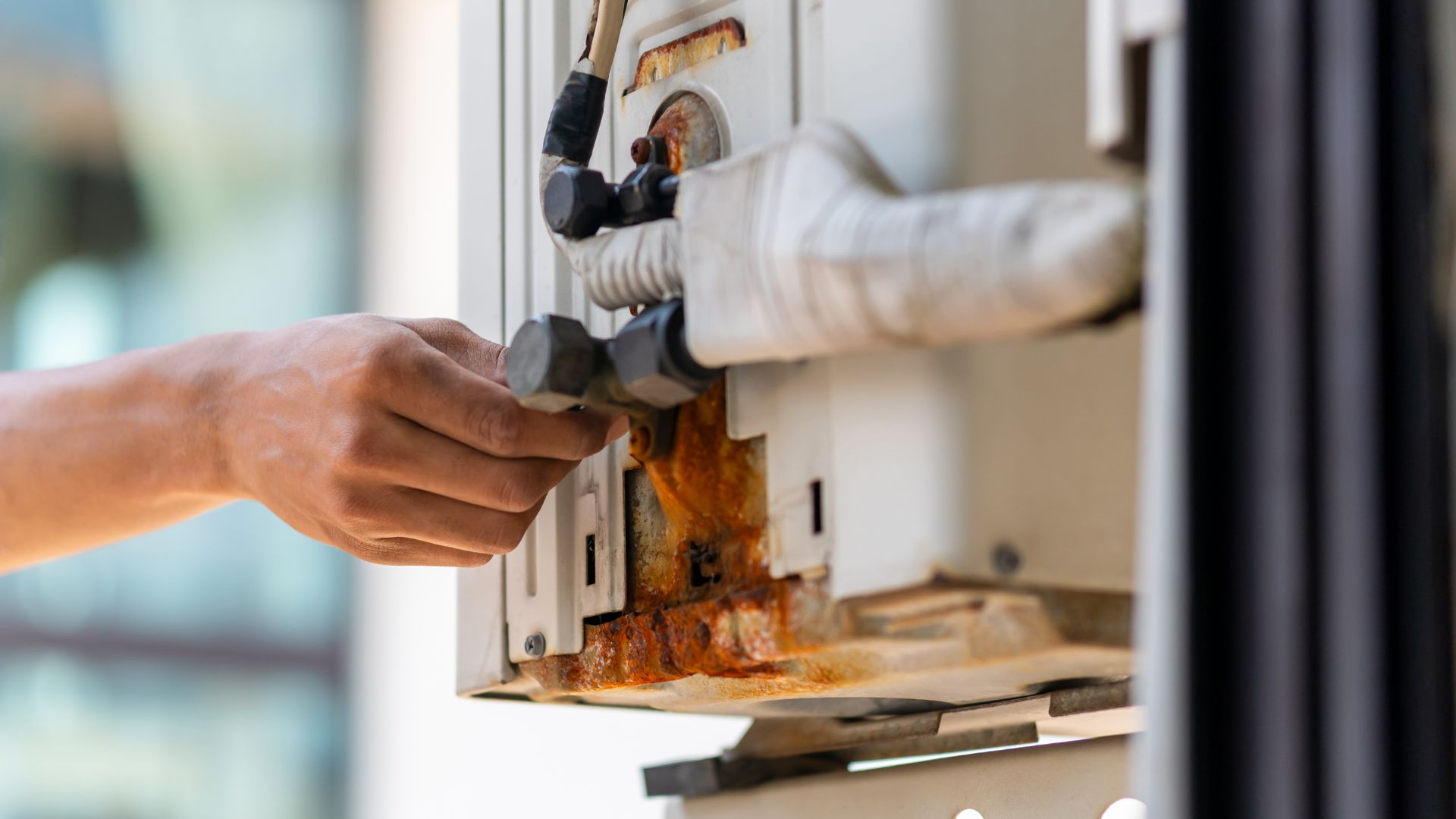
Measurable Returns from Scheduled Monitoring
The value of a maintenance contract appears in multiple places, some immediate and some spread across years. Compliance is the most urgent for many operators. If your refrigeration equipment holds more than fifty pounds of refrigerant, EPA regulations require scheduled leak inspections, timely repairs, and complete documentation. The part that catches operators during audits or property sales is not the inspection itself but the inability to produce records proving the work happened. Under contract, every leak test, refrigerant addition, and repair is logged with the date, system identifier, and quantity, then filed for that location. When an inspector, insurer, or buyer requests documentation, you hand over a folder instead of searching through invoices. The financial benefits are equally concrete but less visible day to day. Emergency repairs cost more in every dimension: after-hours labor rates, expedited parts at premium pricing, and work completed while equipment is already down and costing you revenue. Scheduled repairs happen during regular hours, with correct parts ordered in advance, completed before you open. Degraded equipment also quietly increases your power bill for months before it fails. A refrigeration system with a dirty condenser or low charge still holds temperature but uses noticeably more electricity every hour it runs. Pleasant Hope summers put continuous strain on cooling systems, and a single season of deferred coil cleaning can add hundreds of dollars to utility costs without triggering any alarms.
Stop Running to Equipment Failure
Your commercial equipment is degrading right now. You cannot see it happening. A compressor runs a little longer each cycle to hold temperature. A motor draws more current than it did last month. A coil moves slightly less air. Everything looks fine on the surface, right up until the morning your walk-in cooler sits at fifty degrees, your delivery truck is already loaded, and you cannot reach a technician until Thursday.
This is what most commercial operators face: the gap between when systems start failing and when anyone notices. By then, it is a shutdown, not a repair. The cost is not just the emergency service call or the expedited part. It is the inventory sitting in a warm box, the service you could not provide, and the customers who found you closed.
Commercial Services from our team exists to close that gap. Scheduled maintenance visits happen on your timetable, not at six on a Friday night. We monitor the numbers that matter most: run time, current draw, temperature splits, and operating pressures. These shift before the thermostat does. One reading tells you little. The same readings, taken on every visit and tracked over months, tell you exactly what is changing and how fast. That is how you find out a compressor is struggling before it stops working entirely.
Home repair services and preventive maintenance are not the same. What we provide is predictive maintenance, guided by actual equipment condition rather than calendar dates. It moves most of your repairs out of the emergency column and into the scheduled one, where work is calmer, cheaper, and happens before failure costs you revenue. Your budget becomes predictable. Your compliance records stay current. Your equipment lasts longer. Everything happens on your terms.

Need Help Fast?
Call today for reliable home repair services in Pleasant Hope, MO. Our licensed team is ready to assist you with dependable solutions.